

Battery and charging
How does a portable solar panel work, and what do its watts mean?
A solar panel turns sunlight into electricity using photovoltaic cells. Its power is rated in peak watts (Wp): what it delivers under laboratory conditions with strong sunlight. In practice it produces less depending on the time of day, clouds, angle, and heat, so plan with some margin.
Why it rarely hits its rated watts
Peak watts are measured at an irradiance of 1,000 W per square meter with the cell at 25 °C. On a real day the light changes, the panel heats up and loses efficiency, and if it does not face the sun squarely it captures less.
Partial shade on one section can cut the output of the whole panel, not just the shaded area.
How it connects
A panel should not be wired straight to a battery without control: it needs a charge controller (MPPT or PWM). Portable power stations have one built in; just check that the panel's voltage and connector are compatible.
Monocrystalline and polycrystalline are two cell types. Monocrystalline panels usually make better use of space, which is useful in folding portable panels.
What to check before you buy
- Check that the panel's voltage falls within your power station's solar input range.
- Plan with fewer watts than the rating so you are not caught short.
- Look for water resistance if you will leave it outdoors.
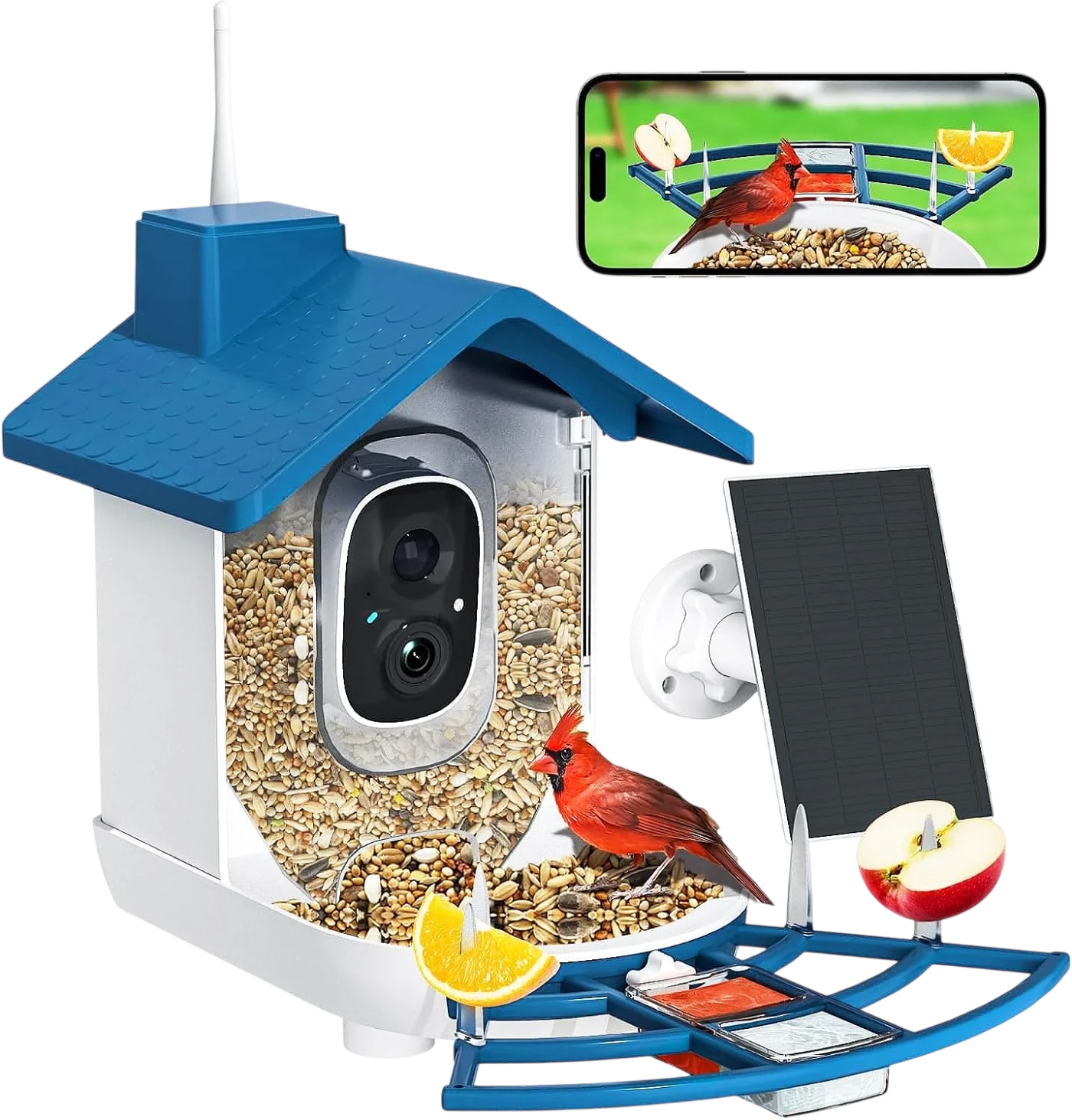
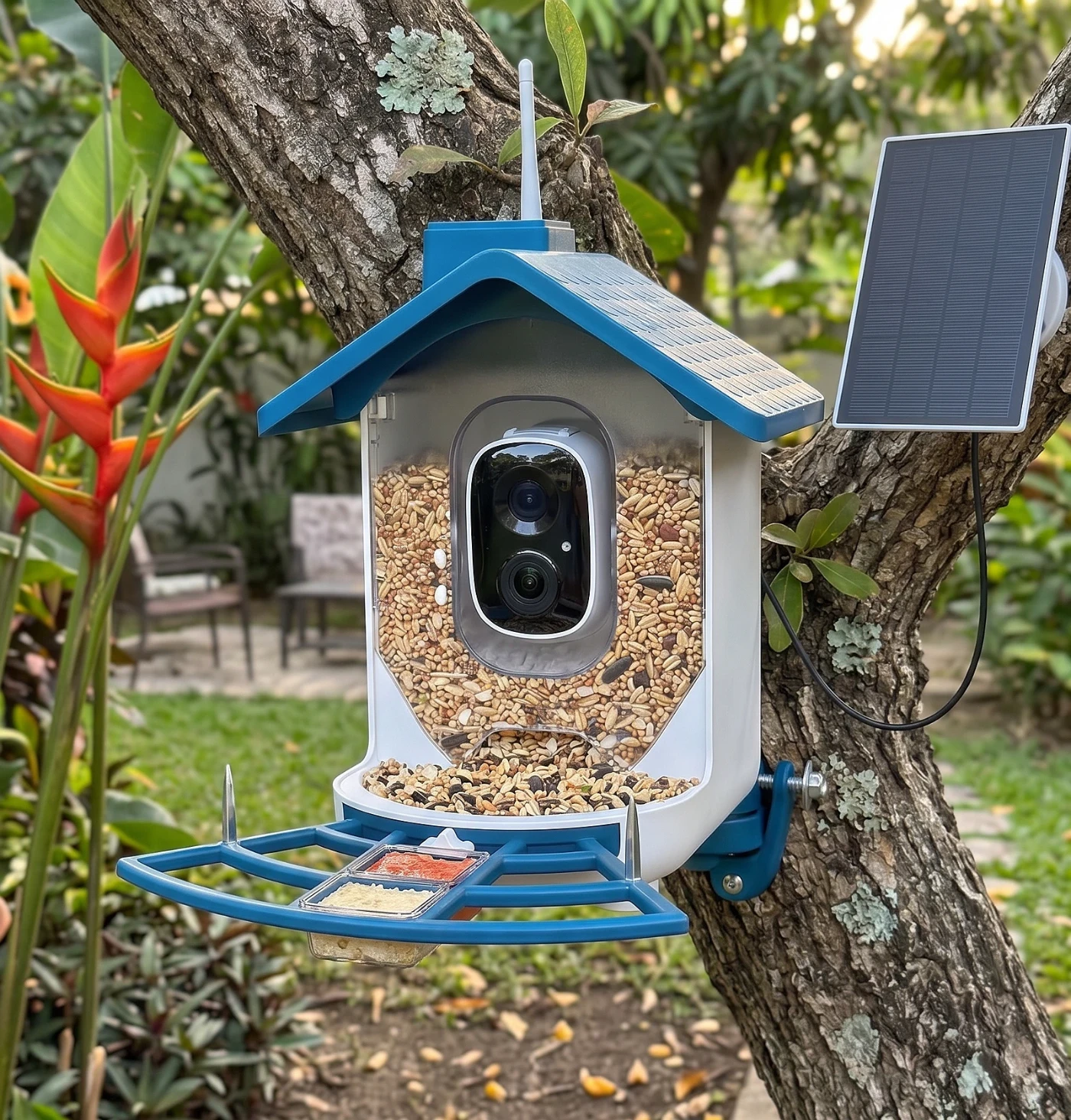
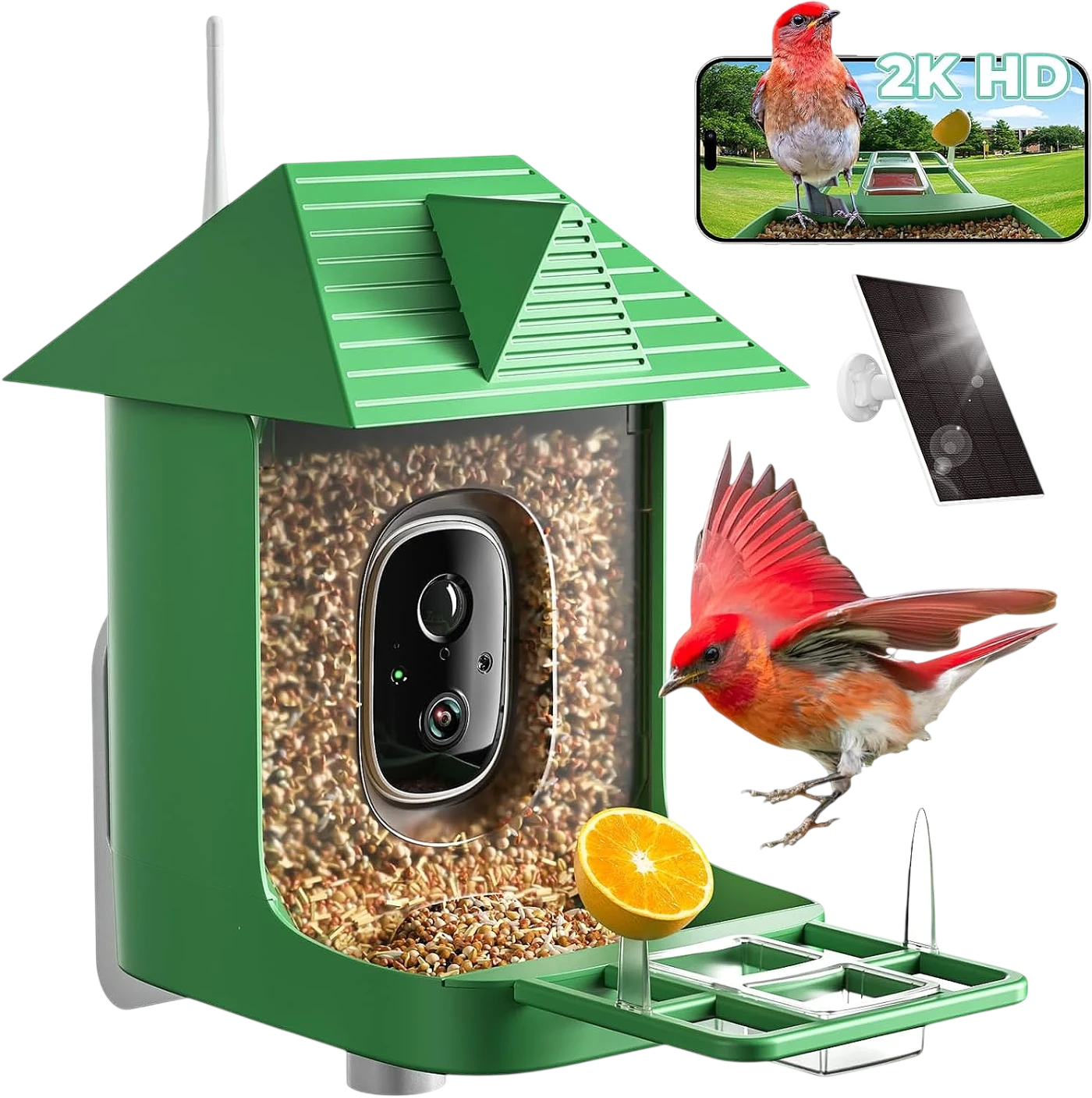
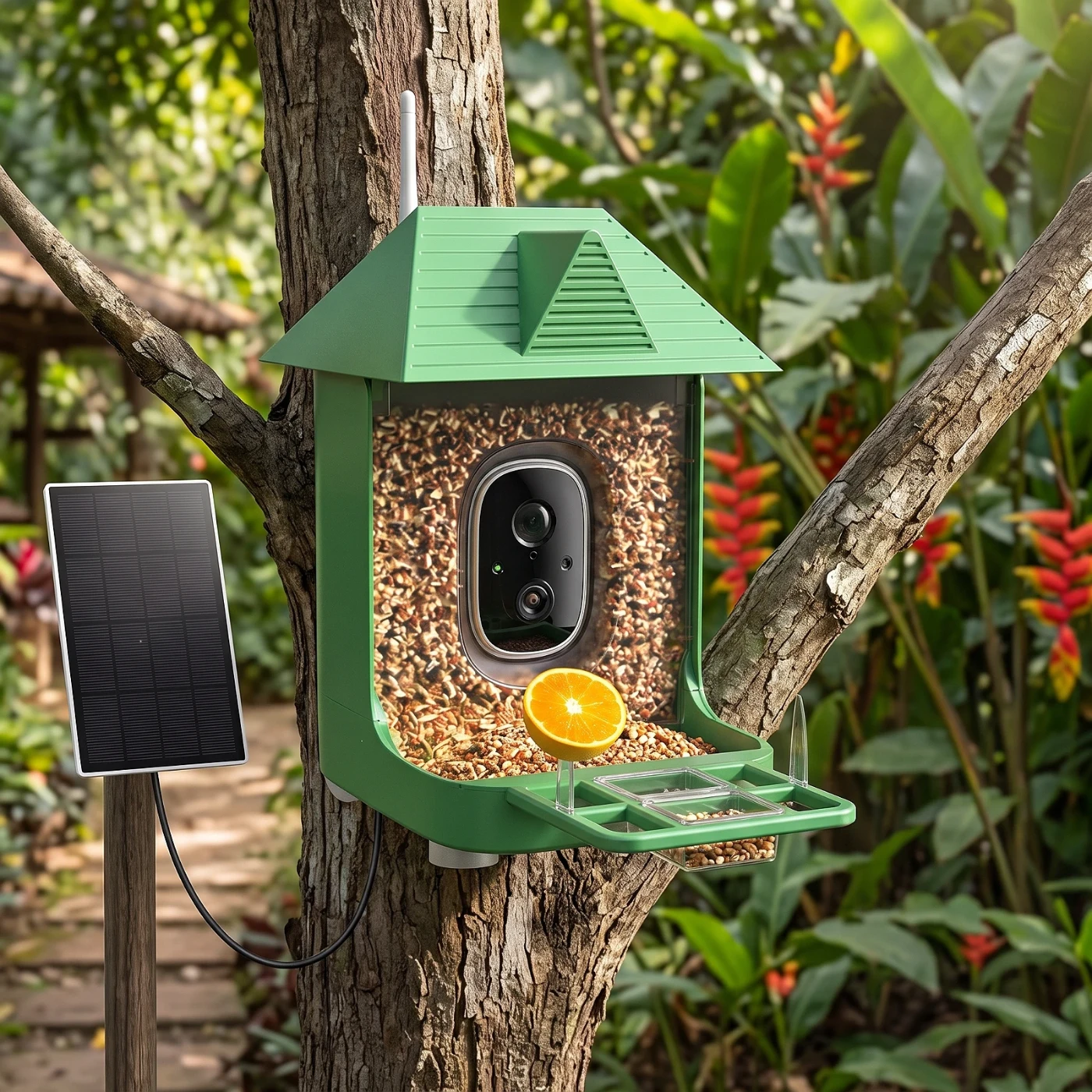
Products with Solar panel in our store
This is how it appears on their spec sheet. Open each one to see all its specifications.
Guides to help you choose
Frequently asked questions
Yes, but it produces much less. Under heavy clouds, charging can become very slow.