

Audio
What is the difference between RMS and PMPO watts?
RMS watts state the power a speaker or amplifier can deliver continuously without distorting: that is the number worth comparing. PMPO (Peak Music Power Output) is a momentary peak figure with no standard behind it, which is why it is often huge and says little about how loud a speaker really plays.
Why PMPO is misleading
No standard defines how PMPO is measured, so each manufacturer uses its own method. A small speaker can claim thousands of PMPO watts while delivering only a few real RMS watts.
RMS watts (also listed as continuous or rated power) are measured in a comparable way: sustained power over time at low distortion.
Loudness is not only about watts
Speaker sensitivity (decibels per watt at one meter) matters a lot: a more sensitive speaker plays louder with the same power.
To the ear, doubling the watts adds about 3 dB, a noticeable increase but not twice as loud. Going from 10 to 20 RMS watts is audible, just less dramatic than the number suggests.
What to check before you buy
- Compare speakers by RMS watts and ignore PMPO.
- If the listing only gives PMPO, treat the figure with real caution.
- For a living room or a party, also look at driver size and sensitivity in dB.
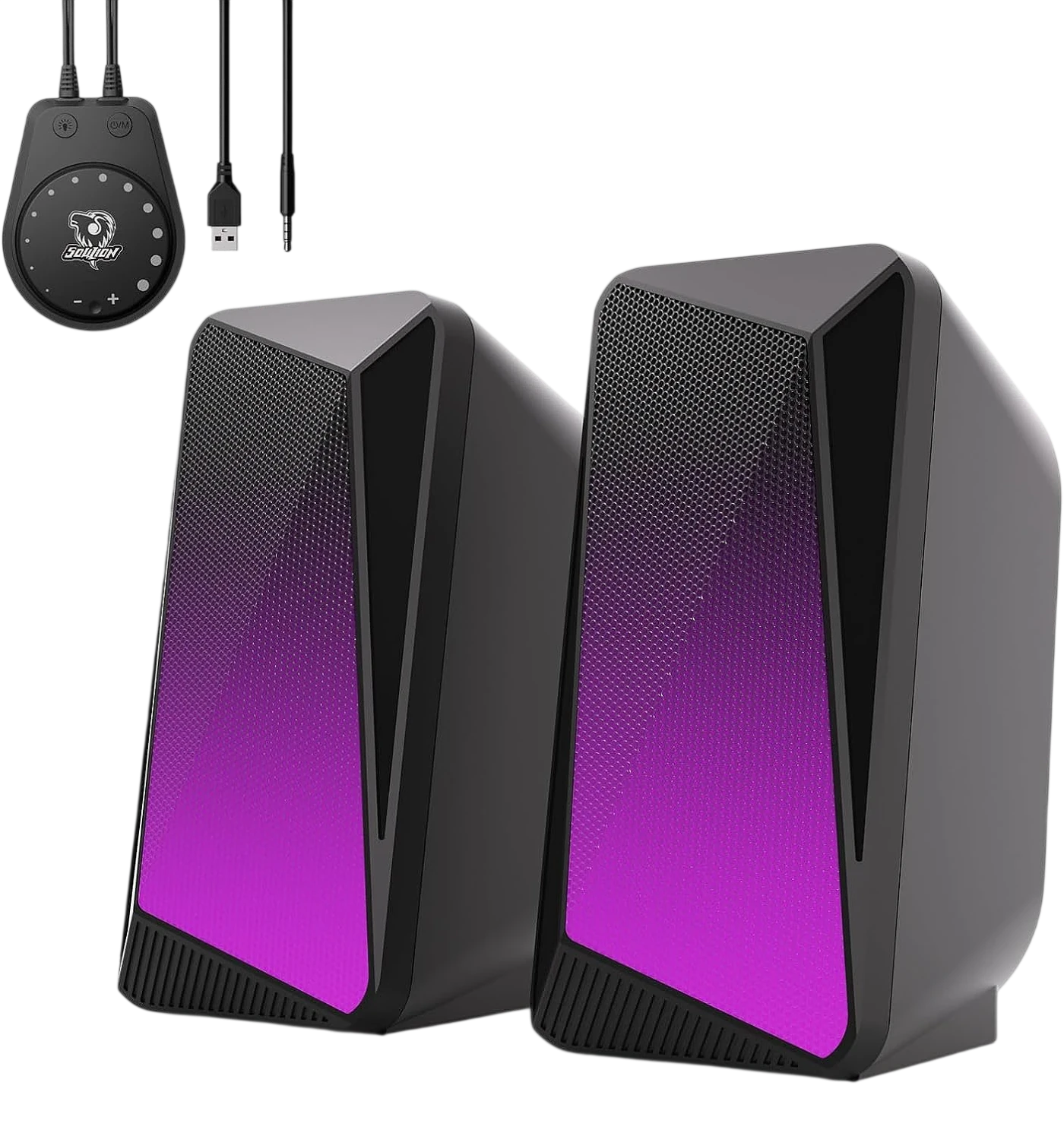
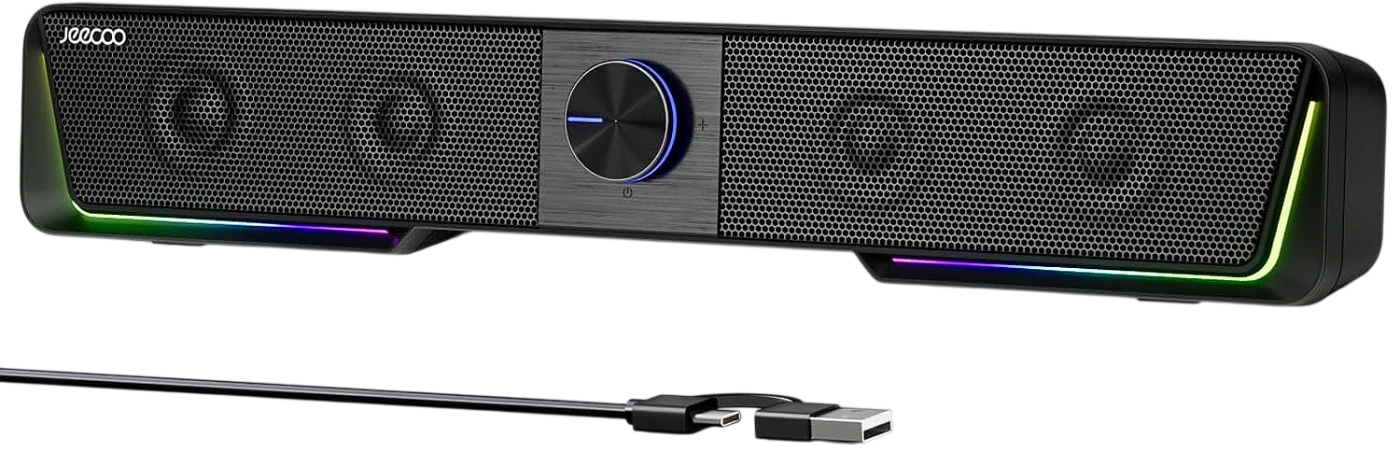
Products with RMS vs. PMPO watts in our store
This is how it appears on their spec sheet. Open each one to see all its specifications.

Frequently asked questions
For a desk or a bedroom, a few RMS watts are enough. For a large room or outdoors, more power and bigger drivers help; sensitivity counts too.