

Health sensors
What is the PPG sensor on a smartwatch?
PPG (photoplethysmography) is the technique smartwatches and fitness bands use to measure your pulse: LEDs shine light into the skin and a light sensor detects how blood volume in the vessels changes with each heartbeat. From those changes the watch calculates heart rate and other metrics.
How it works
Blood absorbs light. With each heartbeat a little more blood reaches the vessels in your wrist and absorbs a bit more light; between beats, a bit less. The sensor tracks that rhythm and turns it into beats per minute.
Green light is used mainly for heart rate. Red and infrared light are used to estimate blood oxygen (SpO2).
What affects the reading
Sudden movement, a loose strap, wrist tattoos, cold (which reduces blood flow to the skin), and light leaking in from the sides can all throw off the measurement.
A PPG sensor is not an electrocardiogram: it estimates rhythm from blood flow, not from the heart's electrical activity. That is what the ECG feature on some watches is for.
What to check before you buy
- Wear the strap snug, about a finger's width above the wrist bone, for steadier readings.
- If you care about blood oxygen, check that the spec sheet lists SpO2, not just heart rate.
- Treat the data as a wellness trend, not a diagnosis.
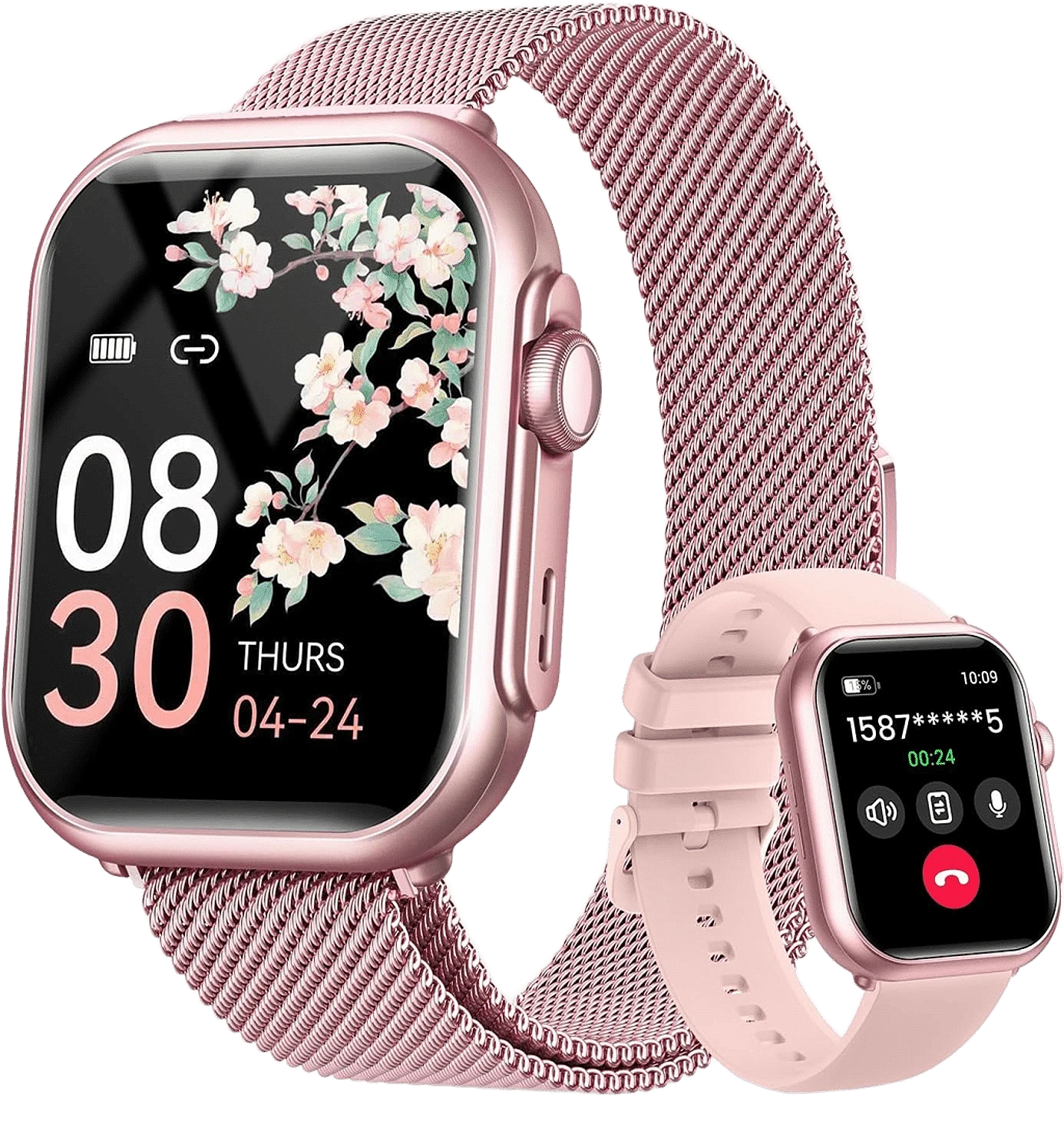
Products with PPG in our store
This is how it appears on their spec sheet. Open each one to see all its specifications.
Guides to help you choose
Frequently asked questions
At rest it usually gives heart-rate readings close to reference devices. During intense exercise or heavy wrist movement, accuracy drops.