
How to Maintain Your Garden Effortlessly in 2026
How to maintain the garden effortlessly: simple routine, correct tool and tips so that work never piles up again. Come in and put together your plan.

TL;DR
Keeping the garden effortless is not about having less laziness, it is about having a short and constant routine with the right weeder at hand.
I'll be honest: for years I flat-out dreaded my yard. Saturday would roll around, I'd look at that weed situation like it had a personal vendetta against me, and I'd lose the entire morning to sweat, itchy arms, and the same broken promise: "never again." Then something clicked that changed my whole relationship with my backyard: an effortless yard isn't about having less laziness in you — it's about having a short, consistent routine and the right weed eater within reach. That's the verdict I landed on after a lot of trial, error, and a blister or two, and today I'm walking you through exactly how I got there, hoping it takes you a fraction of the time it took me.
Why your yard "gets away from you" (and it's not your fault)
First thing I want to say, with all the warmth of someone who's also stood in front of a weed-choked yard fighting back tears: you're not messy or lazy. Almost nobody ever taught us that a yard, like a kitchen or a closet, needs preventive maintenance instead of rescue-mission maintenance. We tend to treat the yard like something you "fix when it looks bad," and that's exactly the trap — by the time it looks bad, fixing it costs triple the time, energy, and patience it would've taken if you'd touched it every week.
Picture this: you get home from work on a Friday and notice the edge of your lawn has crept over part of the sidewalk, the grass has muscled in on your ornamental plants, and there's some weed out there that clearly has expansion plans. That didn't happen overnight. It happened because every week you didn't touch it, nature crept forward a little more — quiet but relentless, like that neighbor who slowly keeps moving the fence line. Weeds and grass grow in fast, short cycles, especially in warm climates like ours in Venezuela, where sun and humidity team up to make everything grow at warp speed.
Another silent culprit: using the wrong tool, or no dedicated tool at all. If you're trying to keep edges and tight spots under control with a machete or, I don't know, kitchen scissors (yes, I've heard of people doing this), of course you hate the chore. It's slow, it's awkward, and the results never look even. That's where a weed eater comes in — we'll get to that in a bit — but first I want you to let go of the myth that's holding you back: you don't need more willpower, you need a smarter routine and the right tool backing you up.
We also tend to underestimate how little time consistent maintenance actually takes. People assume "keeping up the yard" means hours every weekend, when really, if you do it often, it's minutes. It's the same logic as washing a plate right after you use it versus letting ten pile up in the sink: the total work is the same (or less), but it feels way heavier once you let it stack up.
The real trick: short, consistent sessions, not weekend marathons
Here's the heart of it: swap the three-hour Sunday marathon under the sun for short fifteen-to-twenty-minute sessions, two or three times a week. I know it sounds almost backwards — how does doing something more often save you time? — but I mean this: it works because you never let the weeds and grass reach that "full-blown battle" stage that eats up half your day to fix.
My actual routine, exactly as I live it, looks like this: Tuesdays, I give the edges and the tricky corners a quick pass — those spots near walls, fences, or planters where weeds hide out like they know nobody's coming for them. Thursday or Friday, I check the rest of the yard, trim whatever's started poking through, and I'm done. That little chunk of time, which barely dents my afternoon, keeps Saturday from turning into a sweaty, frustrating ordeal. My favorite part of building this habit was realizing my yard always looks freshly tended, without me feeling chained to it.
One tip I fell in love with and want to pass along: set an alarm, or tie it to something you already do, like taking out the trash or watering your plants. The brain loves chained routines, and once yard work becomes part of a little combo of small tasks, it stops feeling like a separate chore and turns into something almost automatic, like brushing your teeth.
The most common mistake I see (and one I've made myself) is thinking "I made it look nice last week, so I'll skip this week." That skip is exactly what drags you back to square one, because weeds don't take breaks and they definitely don't check your calendar. Real talk: skip two or three weeks in a row, and you're right back to needing a long catch-up session, which kills the whole point of the short routine.
For this to actually work without turning into a hassle, your tool needs to be ready to go at all times: charged, with the line or blade in good shape, stored somewhere you can grab it without a treasure hunt. Nothing kills a fifteen-minute routine faster than spending thirty minutes hunting down, assembling, or charging your gear before you even start. That detail, small as it seems, is what separates people who maintain their yard effortlessly from people who keep putting it off.
Choosing a Weed Trimmer Based on Your Yard Size
Here's the technical part, but I'll translate it into real-world use, because talking about motors does nothing for you if you don't know what it means for your Saturday off. The right trimmer depends mostly on your yard size and terrain type — not on which one looks the most badass on the box.
If you've got a small to mid-size yard — think a home patio with some edges, a few shrubs, and a small patch of grass — a budget or mid-range electric weed trimmer, corded or battery-powered, will serve you perfectly well. They're lightweight, they don't make a racket (you and your neighbor will both appreciate that), and since you're using them in short bursts, the battery life holds up just fine. What I love most about these models is how easy they are to maneuver around planters or yard decor without feeling like you're about to mow down everything in sight — more like riding a bike than driving a truck.
For bigger yards — more square footage of grass, sloped terrain, or thicker, woodier weeds — that's when it makes sense to step up to a gas-powered trimmer or a high-end electric model with more muscle. These hold their power through longer sessions and cut through tougher material without jamming every two minutes, which ranks right up there with your Wi-Fi cutting out mid-game on the list of infuriating things. The honest downside: they're heavier, louder, and need a bit more upkeep, so it's only worth it if your terrain actually calls for it.
And if your yard is a mixed bag — open grassy stretches plus tight corners between plants — look for a model with an adjustable head or one that lets you change the handle angle. That little design detail, which sounds minor, is the thing that saves your back and lets you switch between "wide-open grass mode" and "fine-detail mode" without swapping tools. At the end of the day, the best trimmer isn't the priciest or the biggest — it's the one that actually fits your real yard and your quick routine, so keeping it looking sharp stops being a goal and just becomes your new normal.
Step by Step: The 20-Minute Maintenance Session
Okay, let's get practical, because I also used to think "yard maintenance" meant sacrificing my entire Saturday under a sun that could crack rocks. The truth — which I learned the hard way, sweating buckets — is that 20 well-spent minutes, two or three times a week, beat one grueling four-hour session every six weeks. It's exactly like showering daily instead of hosing yourself down every couple of weeks: less drama, less buildup, and your yard rewards you with that clean, put-together look that's just plain likable.
Minute 0-2: Walk the yard. Scope it out like you're inspecting a piece of art (even if it's wild art, with ants). Spot where the weeds are already poking through, where the path edges look shaggy, and where the grass has gotten out of hand near the fence or posts. This saves you from backtracking later.
Minute 2-5: Get your trimmer ready. If it's battery-powered, check the charge (nothing more annoying than losing power mid-job, like a movie that pauses right at the best part). If it's gas-powered, check the fuel and give it a test start. Put on eye protection and closed-toe shoes — no exceptions, even for a "quick job."
Minute 5-15: Work by zone, not at random. Start with the path edges and areas near walls or fences, where a regular lawn mower can't reach and where weeds feel right at home. Then move to the tall-grass spots you flagged during your walk-through. Use smooth side-to-side motions, and don't force the tool into the ground — let the line or blade do the work while you just guide it.
Minute 15-18: Go back over corners and details. Around planters, young trees, or yard decor, slow down and use the tip of the trimmer with more precision. This is where the difference between a well-kept yard and a "kind of done" one really shows.
Minute 18-20: Clean up and admire. Gather up the bigger clippings (the small bits can stay put as natural mulch, no harm done), and take a second to look at your now-tidy yard. That's the moment you feel like a landscape architect, even though all it took was twenty minutes and a mid-range trimmer.
Pro tip: do it on the same day every week, like a standing appointment with your yard. Consistency is what actually works the magic — not brute effort.
How to Keep Weeds From Coming Back So Fast
Here's the secret nobody mentions in the generic tutorials: weeds aren't out to get you on purpose — they're just opportunistic plants that grab any empty space or bare soil they can find, kind of like that neighbor who "just stops by to say hi" and ends up staying all afternoon. Once you get that, you get how to actually win this fight without losing your mind trimming every single week.
First: cut before it flowers and drops seeds. If you let it grow until those innocent-looking little yellow or white flowers show up, you've already lost the round, because every one of those flowers is a factory for future weeds. Cutting early and consistently — sticking to that 20-minute routine — beats waiting until the yard looks "overrun" and scrambling in a panic.
Second, and this one took me a while to get: bare soil is an open invitation. If you've got patches of dirt with no grass, plants, or cover, that's exactly where weeds are going to move in first. A simple and good-looking fix is mulch (those little layers of shredded bark or organic material) over those exposed spots, especially around trees and along flower bed edges. Beyond slowing down weeds, it gives your yard that magazine-worthy finish we all love, with warm texture and that great fresh-earth smell.
Third, water with intention, not on autopilot. Watering the whole area evenly, without thinking about it, basically hands weeds free water right along with your good plants. If you water more precisely — with drip irrigation or focused right at the roots of what you actually want growing — weeds have a lot less to work with. It's a small shift that makes a huge difference over time.
And a super common mistake I see all the time: cutting weeds down to the dirt thinking that'll keep them from coming back. In reality, a lot of weeds have deep, tough root systems, and cutting them too short just triggers them to grow back even stronger — like one of those horror movies where the villain always comes back. The move is to leave a little height when you trim (using the trimmer's guide correctly) so you're not stressing the root system too hard, and for the real trouble spots, pulling them out by the root by hand every once in a while.
Basic Tool Care to Keep It Running Strong for Years
A well-maintained trimmer is like that one friend who always shows up on time; a neglected one is like that old phone that dies right when you need to make an urgent call. The gap between a tool that lasts you years and one that taps out after six months almost always comes down to small habits that take minutes but that most people just skip.
Cleaning it after every use is rule number one, no exceptions. Wet grass clippings and dirt that build up around the base, the blades, or the trimmer head will cause corrosion if left alone, and they force the motor to work harder than it should. Grab a soft brush or a rag and clear off the debris right after your 20-minute session — it's genuinely two extra minutes of effort, and it adds months to the tool's life.
If you've got a battery-powered trimmer, pay attention to the charge cycle: don't leave it dead for days, and don't leave it permanently plugged in at 100% either, since both habits wear down the cell over time. Store it somewhere cool — not baking in direct sun, not sitting in a damp corner — because lithium batteries don't love temperature extremes.
If it's gas-powered, check the fuel level before storing it for long stretches (if you know you won't touch it for weeks, drain the tank or add a fuel stabilizer), and check the air filter now and then: a clogged filter is basically like trying to breathe through a mask that's stuffed up — the engine struggles and loses power.
For the trimmer line or blades, always keep a spare on hand. Nothing kills momentum like snapping your line mid-session with no backup, forcing you to stop everything and run to buy more. Check before every session that the line has enough length left and that the blades, if your model uses them, aren't nicked or bent — a dull or damaged blade doesn't cut, it just bruises the plant and makes you work twice as hard for the same result.
Finally, store it hanging up or standing vertical, not tossed on the garage floor where it can get knocked around or sit in moisture. A simple wall mount takes almost no effort to install and saves you headaches — and repair costs — down the line.
Common Mistakes That Have You Trimming Again a Week Later
If you're the type who clears the yard on Sunday and by Friday it looks like nobody ever touched it, relax — it's not you, it's the technique. I've spent years elbow-deep in this stuff (literally, with the thorn scratches on my leggings to prove it), and here's something that took me a while to learn: cutting badly is almost worse than not cutting at all. The classic first mistake is cutting too close to the root, like you're trying to leave the yard looking "extra clean" in one pass. What feels like discipline is actually a direct signal to the weeds to grow back faster and tougher, because the plant panics and pushes out new shoots almost out of spite. The move is to leave a little height — a finger's width or so — so the grass or weeds spend their energy looking good instead of fighting to survive.
Another common stumble is using the wrong type of trimmer for your yard. I've watched neighbors wrestle a corded electric trimmer across a huge lawn, dragging the extension cord behind them like a dog that refuses to walk. If your space is large or uneven, you need something with more range — battery or gas. If it's a small patio or backyard, a corded electric will do the job just fine with zero drama. Matching the tool to the actual size of your yard — not the yard you wish you had — is the difference between a relaxed afternoon and one full of sweat and muttered complaints.
Then there's the mistake of only trimming once things "look bad." A yard you let grow out for three weeks out of laziness doesn't cut the same way as one you maintain weekly — it cuts slower, jams the blade more, and comes out looking uneven, like a haircut done in a rush. Tall, thick growth demands more from the motor and more from your arms holding the trimmer steady, which is exactly when people swear "this thing doesn't work," when really the problem was the wait, not the machine.
One detail almost nobody mentions: not checking the line or blade before you start. I've committed that sin myself — heading out with worn-down line thinking "eh, it'll cut something" — and ending up making thirty passes over the same patch of grass like an indecisive barber. Checking your line, battery charge, or fuel level before you head out cuts your work time in half, and saves you an accidental yoga session hunched over trying to unjam something.
And the quietest mistake of all: having no routine. A yard doesn't stay in shape from one heroic push a month — it stays in shape from short, frequent visits, the same way sweeping for two minutes a day beats one massive cleanup every six months. If you can carve out fifteen minutes with the right trimmer once a week, you'll notice each session gets faster, lighter, and honestly kind of relaxing, instead of a full-on battle against nature.
When It Actually Makes Sense to Call in a Pro
Picking the right weed trimmer and sticking to a routine solves ninety percent of the problem, sure. But there are moments when the smart move isn't buying another tool — it's calling someone who actually knows what they're doing. If your yard has been neglected for months and the weeds have graduated to shrub status, thick stalks and deep roots included, running a home-grade string trimmer through that is like asking a bicycle to do a truck's job. That's when a professional with heavier-duty equipment — the kind of industrial brush cutter landscapers actually use — will save you hours of effort and probably a few busted blades along the way.
Another clear sign is steep slopes or rough, uneven ground hiding rocks, thick roots, or leftover construction debris. I've seen (and lived through) a trimmer jamming hard on a rock camouflaged in the grass, and at that point it's not about convenience anymore, it's about safety. If your yard has that kind of tricky terrain, a pro who knows the area and brings the right gear saves you from busted blades, nasty kickback, and unnecessary scares.
It's also worth calling for help if you spot pests, fungus, or plant diseases that go beyond "just cut the weeds." A trimmer handles overgrowth, but if you're seeing weird spots, leaves getting eaten alive, or a damp smell that shouldn't be there, that's a diagnosis that needs a trained eye, not more arm strength.
And the last case, maybe the most human one: when you simply don't have the time. That's not laziness, that's just being realistic. If your week is packed with work, kids, traffic, and a dozen other things, investing in a regular lawn care service can be the smarter call, not the lazy one. The whole point of a low-maintenance yard isn't doing everything yourself out of quiet pride — it's having a yard that looks good while you actually enjoy your free time, instead of feeling like you owe your plants an apology every weekend.
My Final Take
If there's one thing I learned decorating patios and green corners, it's that the best-looking yard doesn't belong to whoever spends the most time on it — it belongs to whoever finds the right rhythm. Ten minutes a week beats a three-hour weed-cursing marathon once a month (and sometimes cursing the neighbors too). A low-effort yard isn't about being lazy with style — it's about having that short, almost weekly check-in routine, and above all, having the right trimmer on hand, ready to go, basically saying "let's do this, it'll take no time at all."
I fell in love with the idea of a yard that practically takes care of itself, kind of like setting your coffee maker to brew overnight so you wake up to the smell already going: low effort, high payoff. If your tool is the right fit — lightweight, solid battery life, nothing that feels like a long-term commitment every time you pick it up — you'll notice you stop dreading that quick maintenance walk around the yard.
So here's my honest advice: invest in the right tool before you invest in more willpower. You'll find it in our catalog, ready to help your yard look cared for without you ending up completely worn out.
Reference estimate based on tropical climate with frequent rains; It may vary depending on the type of grass and sun exposure.
Reference estimate for routine maintenance (not for clearing abandoned land), using a cordless or electric weed remover.
Deals before anyone else
Want a heads-up when prices drop?
Drop your email and we'll send the tech deals and the gadgets going viral — no spam, just the good stuff.
Frequently asked questions
It depends on the weather and the season, but in Venezuela, with frequent rain, the ideal is every 10-15 days. In drought you can extend it to 3 weeks without problem.
Our picks from this guide
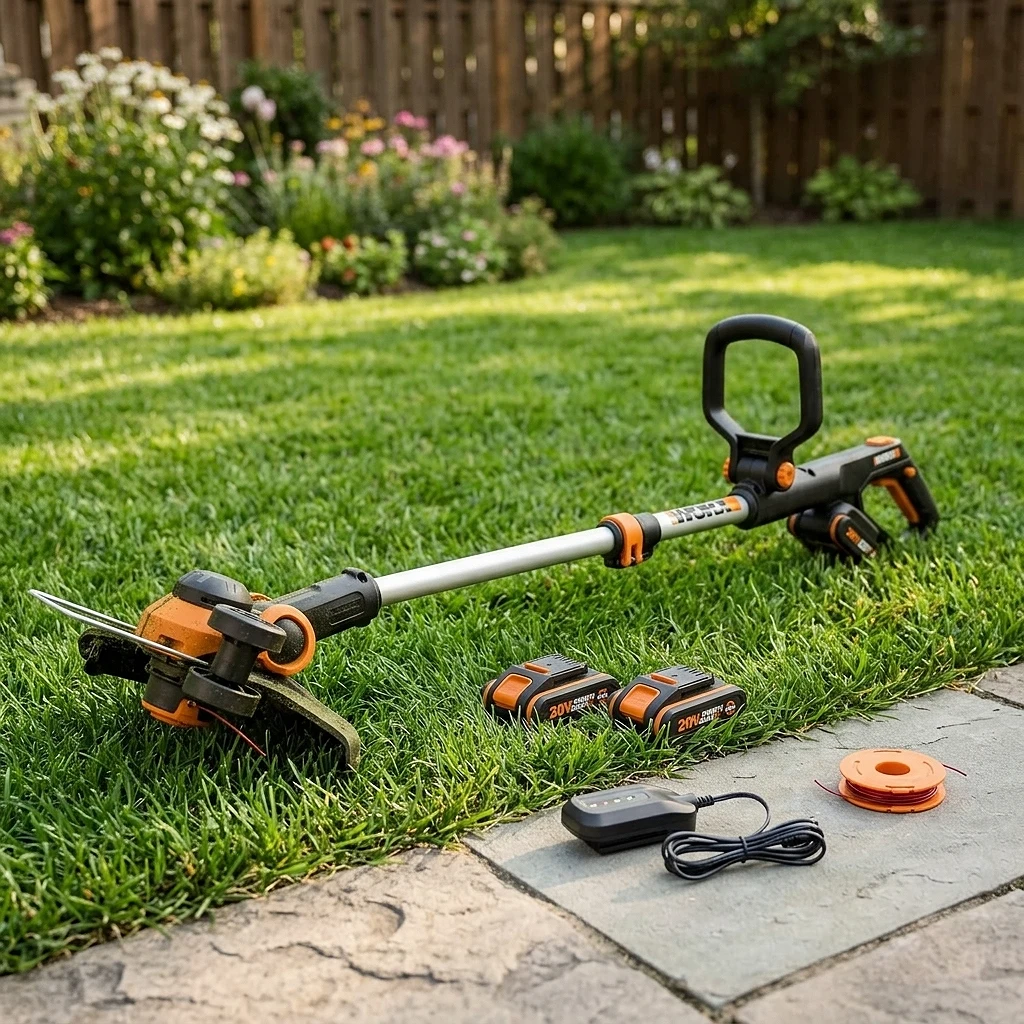
WORX WG163 20V Trimmer/Edger 2 in 1
Best for: Ideal for those who have a moderate-sized residential garden and want to keep it neat without dealing with cables, gasoline or complicated instructions.
This edger-weeder changes modes faster than you change your mind about mowing the yard today or tomorrow, and the Command Feed system saves you from the classic fight with nylon line.
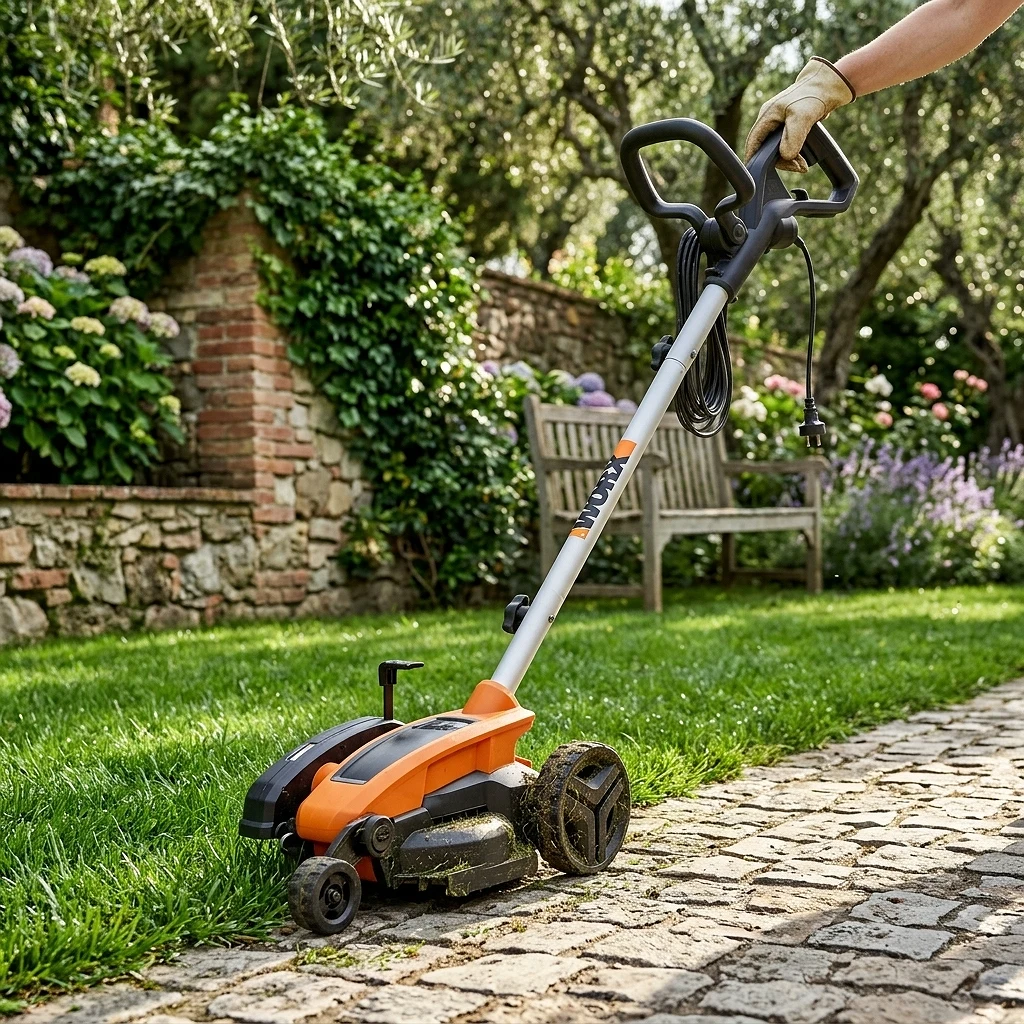
WORX WG896 Electric Edger/Trencher 12A 7.5"
Best for: Ideal for those who want to keep the edges of the garden impeccable and make light trenches without buying two different tools.
With this machine your garden goes from 'uncombed hair' to lines so straight that even the suspicious neighbor will ask who did it to you.
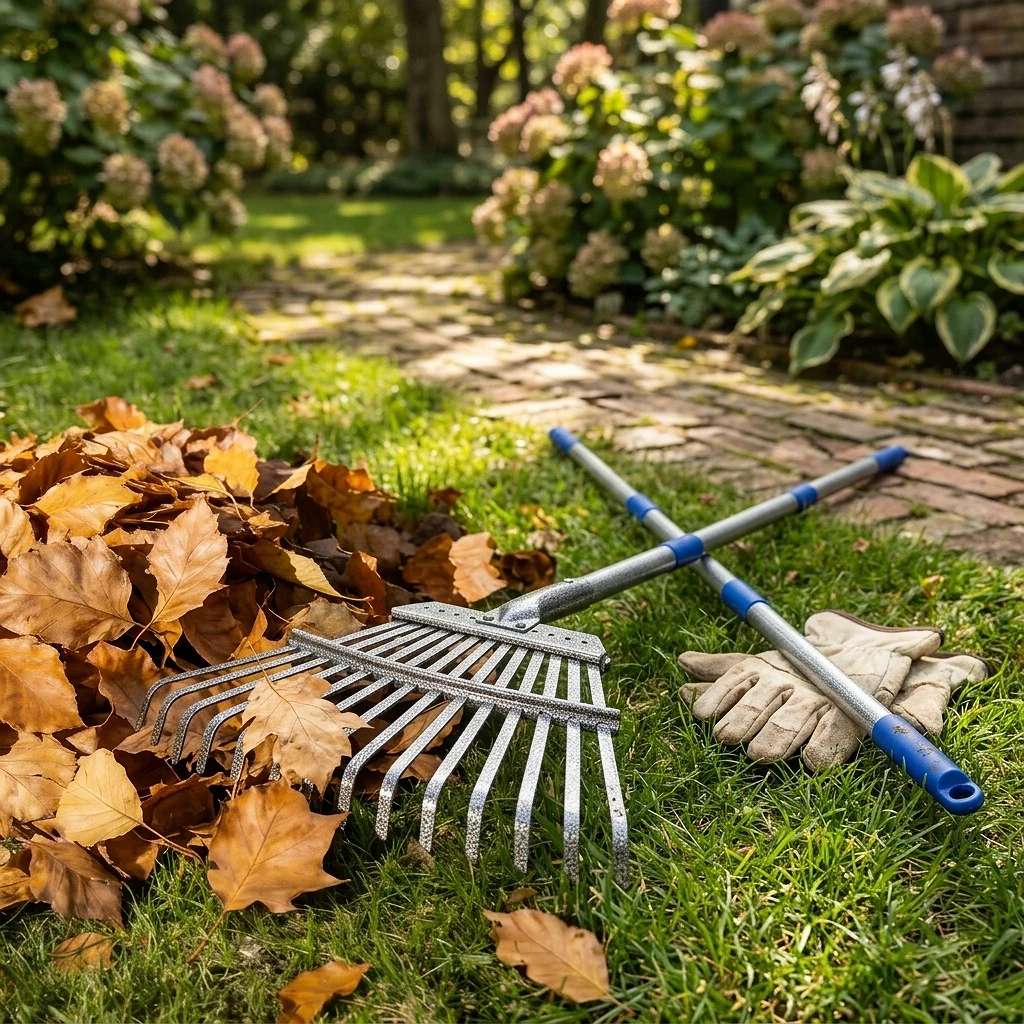
Compact Adjustable Garden Rake (6 Ft)
Best for: Ideal for those who have small gardens with many bushes and want a versatile rake that the whole family can use.
This rake is like that skinny friend that gets in where no one else fits: perfect for sneaking between bushes and bushes without destroying the entire garden, and with an adjustable handle so that even the littlest one in the house can help sweep leaves (or pretend to do so).
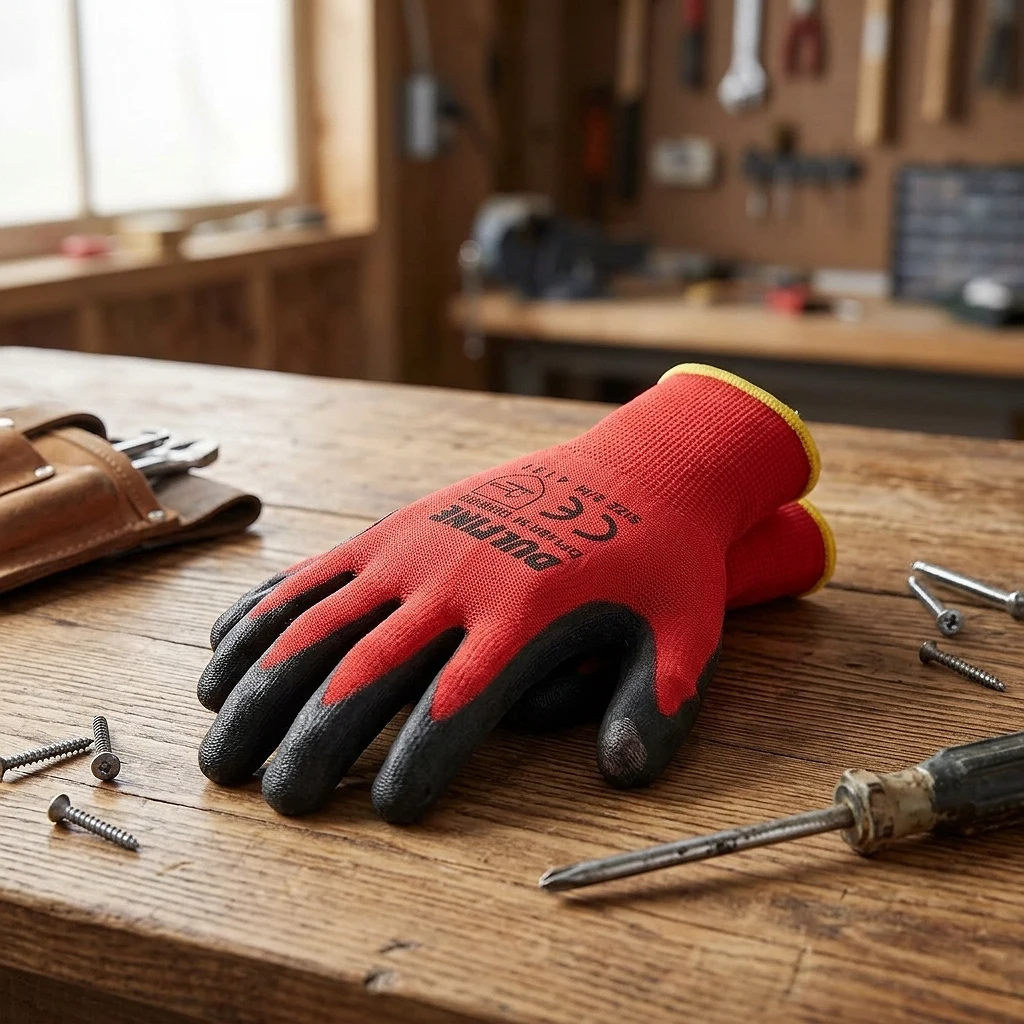
Red PU Work Gloves (12 pairs) - Size L
Best for: Who needs resistant and affordable gloves for general work or home tasks, without spending money on replacing pair after pair.
With 12 pairs you have a supply to give to the whole family, lend to your neighbor and you still have one left for when the cat decides to use it as a bed.
From our store
Tested, verified products — ready to ship.


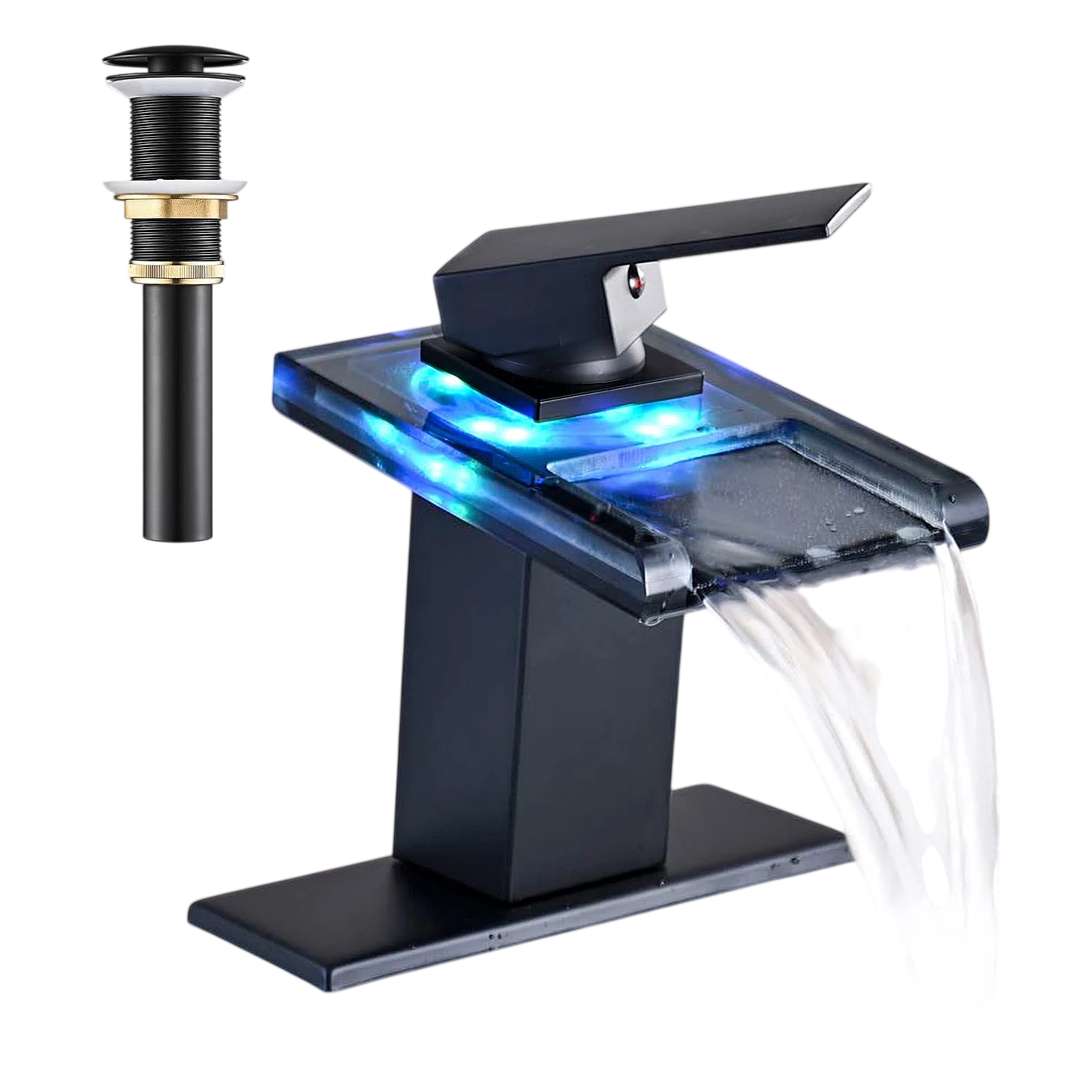




Ready to upgrade your setup?
Browse the gadgets we actually tested and stand behind.