
How Many Lumens Does Your Projector Actually Need?
Stop guessing. We break down projector lumens based on room light and use. Get the right brightness for your setup.

TL;DR
Aim for 2000-4000 lumens, adjusting based on how much ambient light you'll be fighting.
What Are Lumens and Why Do They Matter?
Let’s start with the basics: lumens are the unit of measurement that quantifies the amount of visible light a source emits. Simply put, more lumens means a brighter image. This is critical because you don't want your projector to be so dim you're wrestling with ambient light just to see what's on screen, like trying to read a newspaper during a thunderstorm. Image clarity doesn't just depend on resolution; it hinges on the projector's ability to produce light in a given environment.
How many lumens you need depends on a few things: screen size, projection distance, and, most importantly, the ambient light in the room where you'll be using it. For example, a 3000-lumen projector might shine like a lighthouse in a dark room, but in a sun-drenched living room, it could look like a sticky note lost in a blizzard.
So, if you're shopping for a projector, lumens are the first number you should be looking at. It's not just marketing fluff; it's the key to a good viewing experience.
Differences Based on Environment: Light and Dark
The amount of ambient light you plan to use your projector in can drastically change your lumen requirements.
Dark Environments: If you'll only be using the projector in a dark room (like a dedicated home theater), a projector with 2000 to 2500 lumens is plenty. Here, light isn't fighting your projector, and the image will appear sharp and vibrant. It’s like cooking in a well-lit kitchen with fresh ingredients – everything stands out better.
Bright Environments: In a room where natural light floods in (think living room during the day), you'll want a projector in the 3000 to 4000 lumen range. You need that punch to keep colors from washing out and the image from getting lost in the haze. Consider this like trying to read a book on a sunny beach – without enough brightness, you'll just get lost in the glare.
Mixed Environments: If your space has both natural light and darker conditions, a projector with 2500 to 3500 lumens will give you the flexibility to adapt. It’s like having a car that can handle both city streets and mountain trails without getting stuck in the mud.
Common Uses: Home Theater vs. Presentations
The lumens you need also shift depending on your projector’s purpose.
Home Theater: If your goal is movie watching, a 2000 to 3000 lumen option is generally sufficient, provided your room is dark. This allows for detail and contrast. However, if you plan on daytime movie marathons, aim for a projector in the 3000 to 4000 lumen range. It’s like choosing a good wine – if it’s not robust enough, you’re left wanting.
Presentations: For presentations, especially in environments where lighting can't be controlled (like a conference room with windows), a projector with at least 3000 lumens is ideal. Clarity is paramount here to ensure everyone can read your slides, not mistake them for ancient hieroglyphs. A 4000-lumen projector would be even better, like a solid microphone at a concert – you want everyone to hear, not just the folks in the front row.
Common Mistakes When Choosing Projector Lumens
Picking a projector isn't as straightforward as it seems. Here are some common missteps I’ve seen:
Chasing Price Over Performance: Many think a cheap projector with high lumens is always the way to go. Be warned: many of those can have misleading brightness that doesn't translate to actual image quality. The performance-for-price often comes with compromises on lamp life and resolution.
Ignoring the Environment: Not all spaces are created equal. If you buy a 2000-lumen projector for a bright living room, don't be surprised if you end up silently cursing it. Knowing your surroundings is essential. It’s like trying to play golf on a soccer field – it just doesn’t work.
Not Considering Screen Size: If you plan to project onto a large screen, you'll need more lumens. A 3000-lumen projector might look great on an 80-inch screen, but blow it up to 120 inches, and the image can lose its crispness. Bigger isn't always better, especially if the brightness can't keep up.
Fixating Only on the Lumen Number: Many just look at the lumen count and forget factors like contrast ratio or projection technology. This is like checking only a car’s engine size and ignoring its fuel efficiency.
Final Recommendations: Lumens for Your Situation
With all that covered, here are some final thoughts on picking the right projector for your needs:
Dark Home Theater Room: Aim for 2000 to 3000 lumens. The experience will be immersive with well-defined contrast.
Bright Room or Presentations: Look in the 3000 to 4000 lumen range. This will give you a clear image, no matter how much sun is streaming in.
Mixed Use: A projector between 2500 and 3500 lumens should be your sweet spot. It offers flexibility for movies and presentations without major compromises.
Don't Forget the Rest: Beyond lumens, consider resolution, connectivity, and lamp life. All these factors contribute to your overall experience.
So, the next time you're hunting for a projector, remember that lumens are just the starting point. A little knowledge goes a long way toward avoiding buyer's remorse and ensuring you get a clear, satisfying picture.
My Final Verdict
When it comes to projectors, lumens are like gasoline: without them, your projector isn't going anywhere. If you're looking between 2000 and 4000 lumens, you're on the right track. 2000 lumens are ideal for dark rooms, while 4000 are like having a lighthouse on in the middle of the day.
So, if you want your presentation or movie not to look like a blurry shadow, the mentioned range is your best bet. Would I buy it? Yes, but make sure to consider the environment where you'll use it. I'm telling you straight up: a projector with few lumens in a lit room is like a car with no wheels.
So, if you want to light up your movie nights or make your presentations shine, you'll find it in our catalog. Remember, more lumens = less drama.
Estimated data for different environments and uses.
Deals before anyone else
Want a heads-up when prices drop?
Drop your email and we'll send the tech deals and the gadgets going viral — no spam, just the good stuff.
Frequently asked questions
Lumens measure the total light output from a source, like your projector. Think of it as brightness.
Our picks from this guide
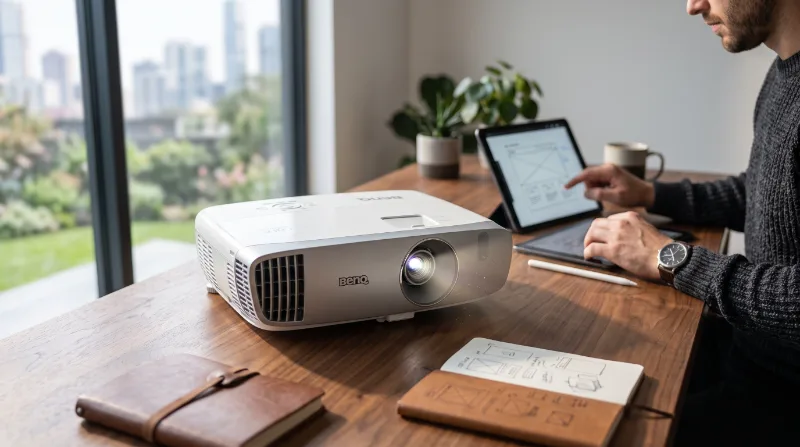
BenQ HT2050A Projector
Best for: Great for movie buffs and gamers wanting a cinematic experience without leaving home.
This projector is like that best friend always ready for a movie marathon; colors so vibrant, even animated characters would be jealous. Oh, and its low input lag makes it ideal for gamers, because nobody wants to lose by a millisecond!
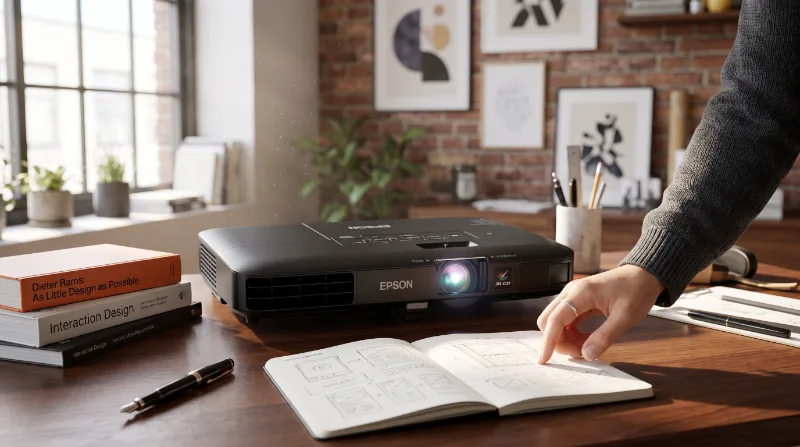
Epson PowerLite 1781W
Best for: Ideal for mobile professionals who need to impress anywhere.
This projector is like that friend who always shows up on time, with 3200 lumens that light up any room like a stage. Perfect for those presentations that can make you sweat more than a marathon runner in a sauna.
From our store
Tested, verified products — ready to ship.

Ready to upgrade your setup?
Browse the gadgets we actually tested and stand behind.