
Smartwatch Battery Life: What to Expect in 2026
Smartwatch battery life can range from a day to a week. See how GPS, screen settings, and daily use affect runtime—and which changes can help.

TL;DR
Expect roughly 1 to 7 days from a smartwatch used daily; basic models can last longer, while GPS, an always-on display, and calls drain the battery faster.
I've tested and returned enough smartwatches to have a rule of thumb: if the manufacturer promises X days, I plan for half that. It's not pessimism, it's field experience. Smartwatch battery life is like the gas mileage sticker on a new car — great on paper, a different story in real traffic. My blunt verdict: expect somewhere between 1 and 7 days of daily use, with basic models stretching even further, and GPS, always-on display, and calls cutting that number in half (or worse) without asking permission.
How Long Smartwatch Battery Life Actually Lasts by Type
There's no single answer here, because not every "smartwatch" is the same animal. A basic smartwatch — the kind that just shows notifications, steps, and periodic heart rate — can run 5 to 10 days on a charge. These have simple screens, light processors, and low brightness. Brands like Amazfit or Xiaomi have models in this class that are legit marathoners.
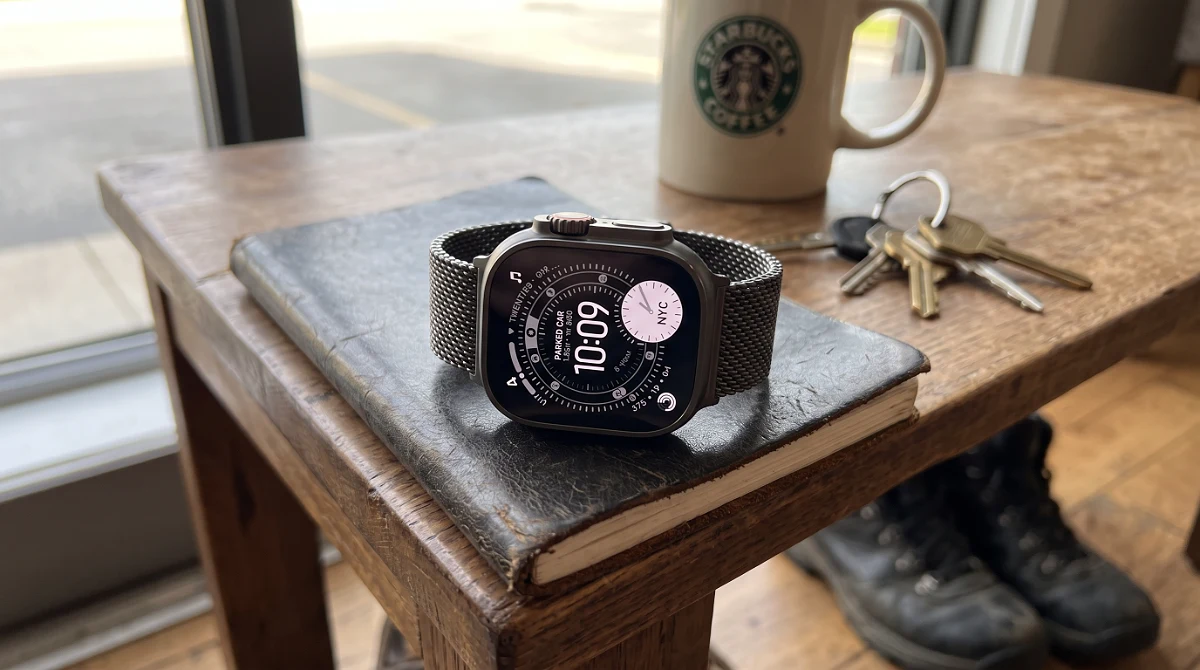
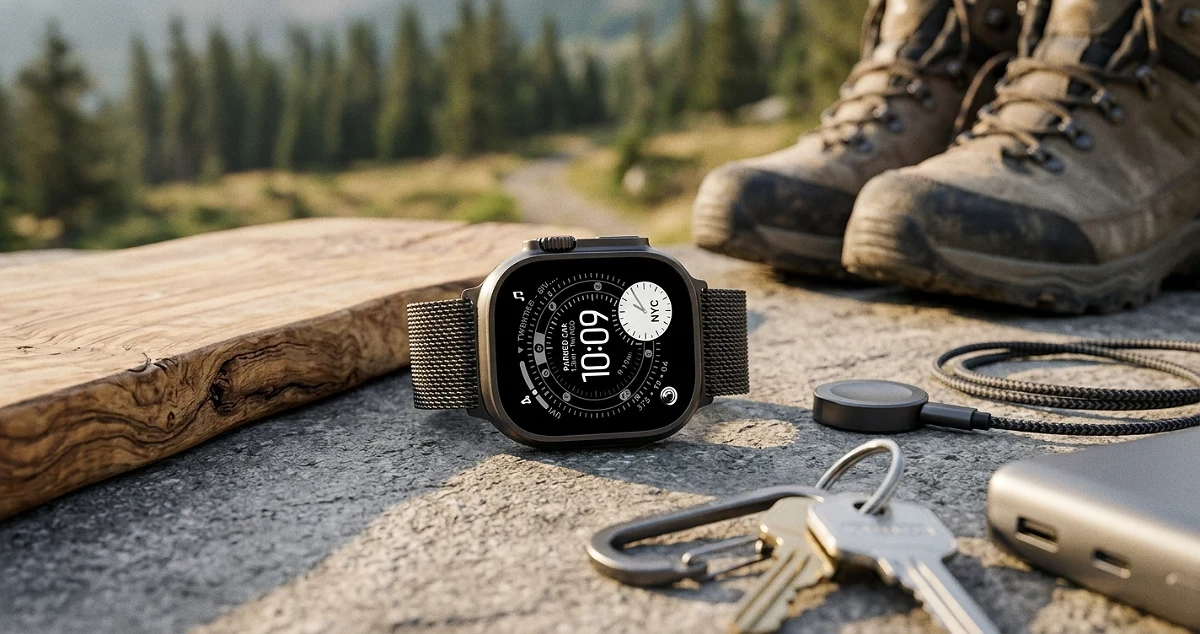
On the other end you've got premium smartwatches like the Apple Watch or Galaxy Watch, packing high-res AMOLED screens, powerful chips, and an app ecosystem running in the background nonstop. Real-world battery life there lands around 18 to 30 hours with normal use on a good day, though some newer models with more efficient chips can stretch to 2 days if you kill the always-on display.
Hybrid smartwatches (analog hands with a small screen or LED) are a different beast entirely — these can last weeks or even months, since there's barely any screen drawing power. If your priority is not charging the thing every other night, this is your lane, though you're trading away the smart features to get there.
Then there's the mid-range, the sweet spot for most people: watches with GPS, notifications, sleep tracking, and an AMOLED screen, but without the brutal power draw of a flagship. Real battery life there runs 3 to 7 days, which is exactly the range I'd point most buyers toward if you don't want to live tethered to a charging cable.
What Actually Drains Smartwatch Battery Life
Here's the thing that matters: not every feature costs the same in battery terms, and some are genuine silent vampires. Always-on display is the undisputed champion of power drain. It can cut battery life by up to 50%, because it's keeping pixels lit constantly instead of just when you raise your wrist.
GPS is the second big offender. An hour of running or cycling with GPS on can burn through as much battery as half a day of normal watch use. If you run with GPS on every single day, forget about a week of battery — you're probably charging that thing nightly.
Calls and constant notification buzzing also hit hard, especially on watches with their own LTE connection (no phone tether required). Taking calls straight from your wrist is convenient, but that cellular radio drains power like a full phone crammed into a tiny watch case.
Other less obvious drains: continuous heart rate monitoring (checking every minute instead of every 10), high screen brightness, constant push notifications from social apps, and Wi-Fi or Bluetooth constantly hunting for a connection. Bottom line: every active sensor is a tiny motor burning fuel, and stack them all together and that pretty number on the box melts fast.
Real Battery Life vs. What the Manufacturer Claims
Time to be blunt: manufacturers test battery life in lab conditions almost nobody replicates in real life. When they say "up to 7 days," that usually means screen off most of the time, no GPS, no calls, minimal notifications, and low brightness. It's like when a car ad claims "45 mpg" and you only hit that number coasting downhill with the engine off.
In my own testing across different models, the gap between the advertised number and reality runs 20% to 40% lower. A watch promising 7 days typically delivers 4 to 5 days of real use with normal notifications, sleep tracking on, and the occasional workout.
A common mistake buyers make is fixating on the big number on the box without asking what conditions it was measured under. My advice: subtract at least 25-30% from the advertised figure for a realistic estimate, and subtract more if the watch has GPS or LTE and you plan to actually use them regularly.
Battery age matters too. Like any lithium battery, capacity degrades over time and charge cycles. A smartwatch that's two years into daily use can perform 20-30% worse than it did fresh out of the box, so if your watch suddenly "dies" way faster than it used to, that's not necessarily a defect — that's just normal battery physics catching up with you.
How to Stretch Smartwatch Battery Life Without Crippling It
The good news: there are settings that stretch battery life without turning your smartwatch into a fancy paperweight. First and most effective: turn off the always-on display. Yes, you'll lose the convenience of checking the time without moving your wrist, but you'll gain full extra days of use.
Second: drop the screen brightness to a medium setting. Most people run brightness way higher than they need, especially indoors where there's no sunlight to compete with.
Third: turn off continuous heart rate monitoring if you don't need a reading every single minute. Set it to check every 10 minutes instead of constantly — the battery savings are noticeable, and the accuracy trade-off is basically irrelevant for everyday use.
Fourth: limit notifications to what actually matters. If your watch buzzes for every email, every app alert, and every text, you're burning battery on notifications you're not even reading. Filter by app in your phone's settings.
Fifth, and I learned this one the hard way: skip high-precision GPS mode if you're just walking or doing light exercise. Standard GPS uses less power, and for casual runs the accuracy difference is basically nothing.
When the Battery Is Actually Failing
There are clear signs that this isn't a settings problem — it's a physically worn-out battery. If your smartwatch went from lasting 5 days to barely making it through 1 day over the span of a few months, with no change in how you use it, that's real degradation talking, not a config issue.
Another red flag: the watch shuts off out of nowhere even though the display still shows 20-30% battery left. That happens when the lithium cells can't deliver stable voltage anymore — typical after 2-3 years of daily use and hundreds of charge cycles.
If you notice the watch running hotter than usual while charging, or taking way longer to charge than it did when it was new, those are both signs of a tired battery. Same goes for the battery percentage jumping around erratically — dropping from 40% to 10% in a matter of minutes — which means the internal battery gauge can't be trusted anymore either.
On most smartwatches, the battery isn't something you can easily swap out yourself (unlike phones). So if your watch is past the 2-3 year mark and battery life has fallen off a cliff, the practical move is usually to start shopping for a replacement rather than sinking money into a repair that might not be worth it next to the value of the watch itself.
My Final Verdict
I'll give it to you straight: there's no such thing as "eternal" smartwatch battery life — there's only battery life that matches how you actually use the thing. Want a full week without thinking about the charger? Make peace with a smaller screen and lower brightness. Nobody — not even Amazon — has invented the watch that does everything and lasts forever. In plain terms: basic fitness-band-style trackers give you several days because the screen barely sips power; full-blown smartwatches with GPS, an always-on display, and calling will chew through a charge in a day, like a teenager raiding the fridge.
What actually matters is your real-world routine, not the rosy number on the spec sheet. Run with GPS every day? Plan on charging every night, no way around it. Just want notifications and step counts? A mid-range model will get you through the week without breaking a sweat.
Would I buy one? Sure — but only once I know what my hand actually needs: battery life or bells and whistles. There's no free lunch in wrist electronics. If you already know what you're after, check out our smartwatch lineup in the BaratongoVzla catalog and compare real-world battery life before you commit.
General reference ranges, not a guarantee: actual battery life varies by model, battery condition, and features in use.
Deals before anyone else
Want a heads-up when prices drop?
Drop your email and we'll send the tech deals and the gadgets going viral — no spam, just the good stuff.
Frequently asked questions
Many everyday smartwatches last about 1 to 7 days per charge. Models with full operating systems and always-on displays tend toward the shorter end; simpler watches can last longer.
From our store
Tested, verified products — ready to ship.




Ready to upgrade your setup?
Browse the gadgets we actually tested and stand behind.